
As the world increasingly shifts towards sustainable energy solutions, solar power stands out as one of the most promising and rapidly advancing technologies. Understanding how solar energy works and the latest developments in the field is crucial not only for consumers but also for industries aiming to reduce their carbon footprint. Emerging companies in new energy technology are playing a significant role in this green revolution by developing safer, smarter, and more powerful products to optimize solar energy use.
### How Solar Energy Works
Solar energy harnesses the power of the sun’s rays and converts it into usable electricity. This primarily occurs through photovoltaic (PV) cells made of semiconductor materials, typically silicon. When sunlight hits these cells, it excites electrons and generates electric current in a process known as the photovoltaic effect.
A typical solar power system consists of solar panels, an inverter, and sometimes an energy storage system. Solar panels capture sunlight and convert it into direct current (DC) electricity. However, most homes and businesses use alternating current (AC), so the DC produced by the panels must be converted. This is where inverters come into play, converting the DC electricity into AC electricity that can power electrical devices or be fed back into the grid.
### Micro Inverters: A Smarter Approach
Traditional solar installations often use one central inverter for the entire solar panel system. However, discrepancies in sunlight exposure, shading, or panel degradation can reduce overall system efficiency. Micro inverters address these issues by attaching a small inverter to each individual solar panel. This setup allows each panel to operate independently, maximizing power generation even if some panels are shaded or malfunctioning.
Micro inverters are considered safer and more reliable since they convert DC to AC at the panel level, reducing the risk associated with high-voltage DC wiring. Moreover, the modular nature of micro inverters enables easier system expansions and monitoring at the panel level.
### Energy Storage and Balcony Energy Storage Systems
One of the major challenges with solar energy is its intermittent nature—it only generates electricity when the sun is shining. To ensure a continuous power supply, energy storage systems, typically batteries, are used to store excess energy generated during the day for use during nighttime or cloudy periods.
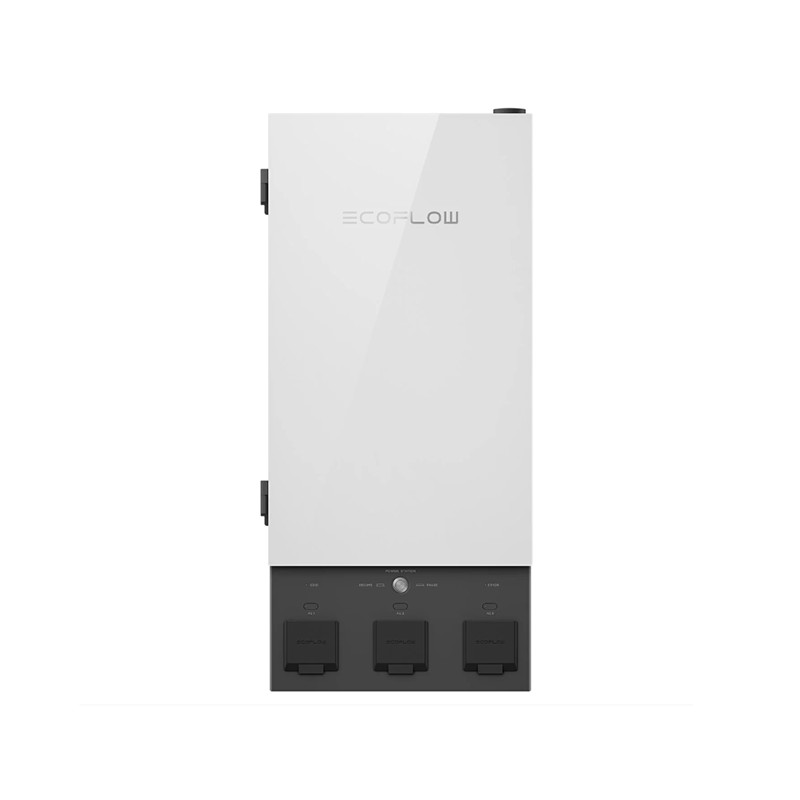
Balcony energy storage solutions have emerged as innovative, space-efficient options for urban environments where installation space is limited. These compact battery storage systems allow households and small businesses to maximize self-consumption of solar power, reduce reliance on the grid, and improve energy independence.
### Innovations from Shenzhen Kesha New Energy Technology Co., Ltd.
Among the key players driving innovations in solar technology is Shenzhen Kesha New Energy Technology Co., Ltd. The company specializes in the research and development of advanced new energy products with a focus on creating user-friendly, reliable, and powerful solar solutions.
Shenzhen Kesha New Energy Technology Co., Ltd. has developed a series of micro inverters within the 300W to 3000W range. These micro inverters are designed to enhance the overall efficiency of solar power systems by optimizing panel-level performance. Their products incorporate smart technology to provide real-time monitoring and management, allowing users to maximize their energy production while ensuring safety and stability.
In addition to micro inverters, the company offers balcony energy storage solutions tailored for compact urban settings. These systems help consumers store solar energy efficiently, contributing to energy savings and promoting sustainable living even in densely populated areas. The company’s dedication to innovation ensures their solutions address the emerging needs of modern energy consumers who demand smarter, safer, and more powerful energy products.
### The Future of Solar Energy and New Energy Technologies
The ongoing advancements in solar technology, including the development of sophisticated micro inverters and compact energy storage systems, signal a bright future for renewable energy adoption. As technology becomes more accessible and affordable, residential and commercial users can expect greater energy independence, cost savings, and reduced environmental impact.
Companies like Shenzhen Kesha New Energy Technology Co., Ltd. are at the forefront of this transformation, delivering cutting-edge solutions that not only optimize solar power generation but also provide enhanced safety and intelligence to users. Their commitment to research and production of next-generation new energy products is helping shape the path toward a cleaner, more sustainable energy landscape.
### Conclusion
Solar energy is revolutionizing the way we power our lives, and continuous innovation in this sector is crucial for maximizing its potential. Understanding the basic workings of solar power, from photovoltaic cells to micro inverters and energy storage systems, provides valuable insight into how we can harness the sun’s energy efficiently and reliably.
Through the efforts of pioneering companies specializing in new energy technologies, the future looks promising for solar energy to become an even more integral part of our daily lives. By choosing smarter, safer, and more powerful solar energy solutions, users worldwide can contribute to a greener planet while enjoying the benefits of modern energy technology.