
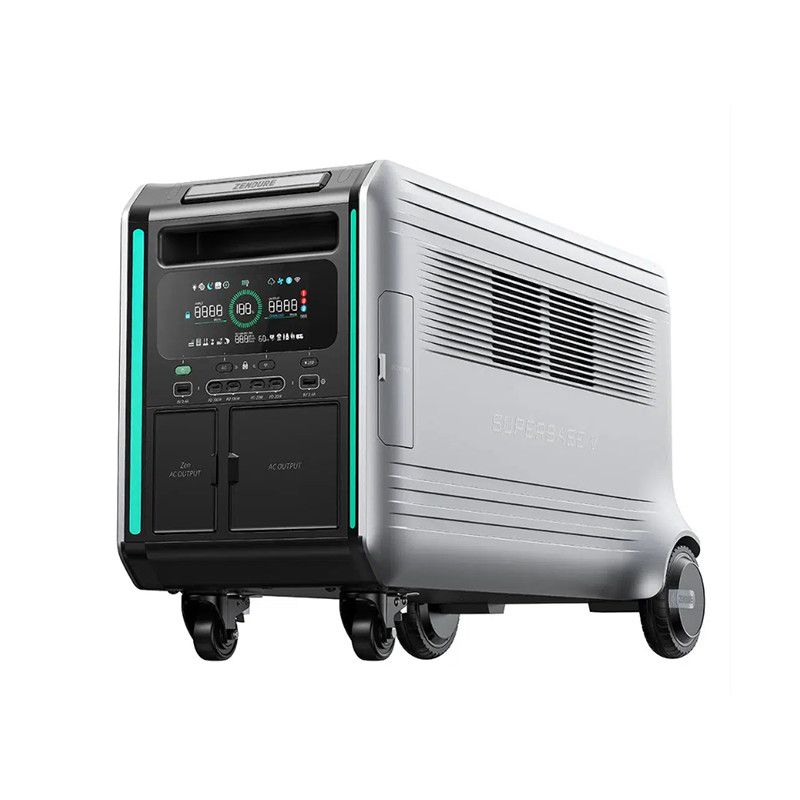
In recent years, the push towards sustainable energy solutions has gained significant momentum across the globe. One of the most promising developments in this field is the increasing adoption of household solar batteries. These devices are transforming how homeowners consume and manage energy, providing greater independence, efficiency, and environmental benefits. As solar technology evolves, companies specializing in new energy products are at the forefront of delivering smarter, safer, and more powerful energy storage systems tailored for residential use.
**The Growing Importance of Household Solar Batteries**
Household solar batteries serve a crucial role in capturing and storing excess energy generated by solar panels. Traditionally, solar energy systems were primarily designed to feed surplus electricity back into the grid or limit consumption through direct use, leaving excess energy untapped. However, integrating solar batteries enables homeowners to store energy during peak production times for use during the night or cloudy days, offering continuous power supply regardless of weather or grid conditions.
This shift is not only enhancing energy security at the household level but also contributing to broader grid stability and sustainability goals. With advancements in battery technology, the affordability and efficiency of solar energy storage are steadily improving, making it accessible to more homeowners.
**Innovations in Safety and Smart Functionality**
As household solar batteries become more widespread, the demand for products that prioritize safety and intelligent energy management has intensified. Modern battery systems incorporate sophisticated monitoring, control mechanisms, and robust safety features to mitigate risks such as overheating, overcharging, or short-circuiting.
In addition to safety, integrating smart technology enables users to optimize energy usage more effectively. Real-time data on energy production, storage levels, and consumption trends empower homeowners to make informed decisions to reduce costs and enhance system performance. Furthermore, smart solar batteries can be programmed to prioritize energy use during peak electricity tariff periods or provide backup power in the event of outages.
**Shenzhen Kesha New Energy Technology Co., Ltd.: Pioneering Next-Generation Solutions**
Among the leaders in the new energy sector, Shenzhen Kesha New Energy Technology Co., Ltd. has distinguished itself with its commitment to research and development in home energy products. The company focuses on designing and producing a range of user-level star products, including micro inverters and balcony energy storage solutions, which exemplify the new wave of accessible renewable energy technology.
Their micro inverters, available in a series ranging from 300W to 3000W, play a vital role in enhancing solar panel efficiency by converting direct current (DC) generated by solar modules into alternating current (AC) usable in residential electrical systems. This technology supports modularity and scalability, allowing homeowners to expand their systems as needed without sacrificing performance.
Moreover, the company’s balcony energy storage systems cater to the increasing demand for compact, convenient, and user-friendly solutions suitable for urban living environments. These systems provide homeowners with the ability to harness solar power even when space is limited, transforming balconies into active energy hubs.
**Benefits Tailored for the Modern Homeowner**
The integration of solar batteries with advanced micro inverters and energy storage solutions offers several tangible benefits:
1. **Energy Independence:** Homeowners can reduce reliance on the traditional power grid by generating and storing their own electricity. This independence is particularly valuable during grid outages or in regions with unstable power supply.
2. **Cost Savings:** By storing solar energy when production exceeds consumption, users can minimize energy purchases during peak rate periods, significantly lowering electricity bills.
3. **Environmental Impact:** Solar battery systems contribute to reducing the carbon footprint associated with fossil fuel energy use, supporting global efforts to combat climate change.
4. **Scalability and Flexibility:** Solutions such as modular micro inverters and compact balcony storage units provide adaptability to different home sizes and energy needs.
5. **Enhanced Safety and Reliability:** Advanced safety features protect both the equipment and users, while smart controls ensure efficient and reliable operation.
**Market Outlook and Future Trends**
The demand for household solar batteries is expected to continue its upward trajectory as technology advances and costs decrease. Policy incentives and growing environmental awareness among consumers further drive adoption rates. In this evolving landscape, companies like Shenzhen Kesha New Energy Technology Co., Ltd. are well-positioned to capture market opportunities through innovation and a user-centric approach.
Future developments may include enhanced battery chemistries offering longer life spans and greater capacity, integration with smart home systems for seamless energy management, and expanded compatibility with various renewable energy sources. Additionally, increasing the accessibility of such technologies in urban high-density environments through space-efficient designs, such as balcony energy storage solutions, aligns with the trend toward sustainable city living.
**Conclusion**
Household solar batteries represent a vital component of the next generation of residential energy solutions. By facilitating efficient energy storage and enhancing solar power utilization, these systems empower homeowners to achieve greater energy autonomy while contributing to environmental sustainability. Supported by the pioneering efforts of companies like Shenzhen Kesha New Energy Technology Co., Ltd., the future of home energy management looks safer, smarter, and more powerful than ever before. As society moves toward a greener, more resilient energy future, the integration of advanced solar storage technologies will undoubtedly play a pivotal role in shaping sustainable living.