
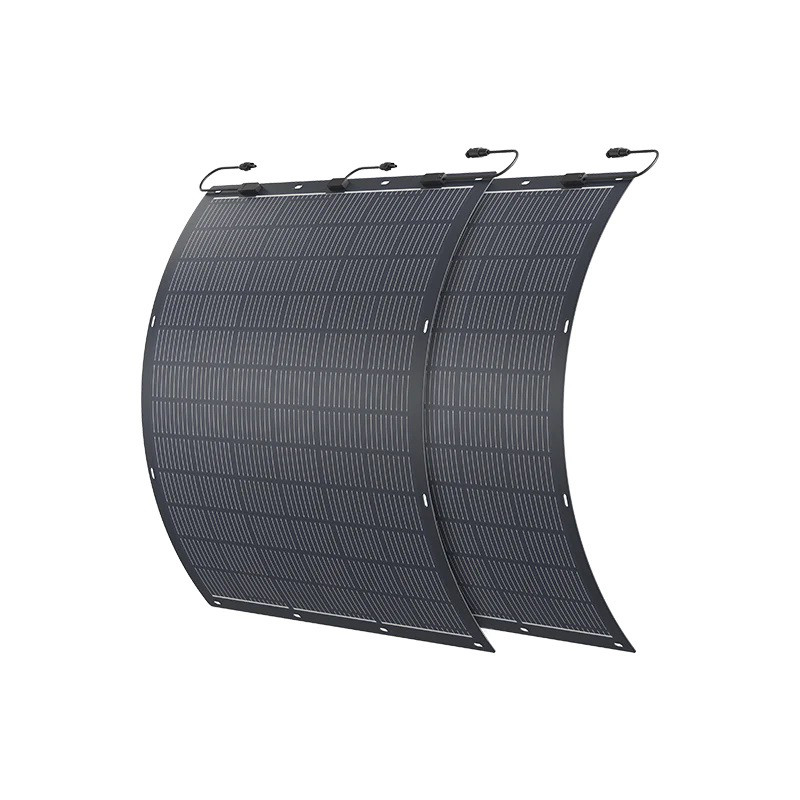
In an era where renewable energy is becoming increasingly vital, solar power continues to lead the charge in providing clean, sustainable energy solutions worldwide. The advancements in solar technology have broadened the scope and efficiency of solar power systems, making them accessible and practical for both residential and commercial use. A notable contributor to this rapidly evolving field is Shenzhen Kesha New Energy Technology Co., Ltd., a company dedicated to researching and producing new energy products focused on delivering safer, smarter, and more powerful user-level solar solutions.
### Overview of Solar Power Panels
Solar power panels, commonly known as photovoltaic (PV) panels, convert sunlight into electricity. Their ability to harness the sun's energy effectively makes them an essential component of renewable energy infrastructure. Over the years, technological innovations have led to various types of solar panels, each catering to different needs, applications, and efficiency standards.
The main types of solar panels in the market today include monocrystalline, polycrystalline (or multicrystalline), thin-film, and emerging technologies like bifacial and flexible solar panels. Each type offers distinct advantages, depending on factors such as installation space, cost, energy output, and aesthetic preferences.
### 1. Monocrystalline Solar Panels
Monocrystalline solar panels are made from a single, pure silicon crystal structure. Known for their high efficiency and longevity, these panels are typically dark black and have a uniform appearance. Their efficiency ranges from 15% to 22%, making them one of the most efficient types available on the market.
Because of their superior energy conversion rate, monocrystalline panels are ideal for installations where space is limited but high power output is required, such as urban rooftops. Additionally, they tend to perform better in low-light conditions, providing more consistent energy throughout the day.
### 2. Polycrystalline Solar Panels
Polycrystalline panels consist of multiple silicon crystals melted together. These panels are recognizable by their bluish hue and a slightly fragmented, grainy surface. Although their efficiency (generally between 13% to 17%) is somewhat lower than monocrystalline panels, polycrystalline options are typically more affordable to produce.
Due to their lower cost, polycrystalline panels are widely used in large-scale solar farms and residential projects where space is less constrained and budget is a major consideration.
### 3. Thin-Film Solar Panels
Thin-film solar panels are made by depositing one or more thin layers of photovoltaic material onto a substrate such as glass, plastic, or metal. Types of thin-film panels include amorphous silicon, cadmium telluride, and copper indium gallium selenide.
These panels are lightweight, flexible, and visually less obtrusive, making them ideal for building-integrated photovoltaics (BIPV) or curved surfaces. Although thin-film panels generally have lower efficiency (around 10% to 12%), their flexibility and lower cost per square meter make them a promising choice for innovative solar applications.
### 4. Bifacial Solar Panels
Bifacial panels absorb sunlight from both their front and rear surfaces, increasing their total energy absorption and enhancing system efficiency. These panels are often designed with transparent backsheets or can be installed over reflective surfaces to capture albedo light.
This technology allows for up to 10-15% more energy generation compared to traditional panels, especially when installed in ideal environmental conditions, such as snowy or sandy areas. Bifacial panels are becoming increasingly popular in utility-scale solar installations.
### The Role of Shenzhen Kesha New Energy Technology Co., Ltd.
While the market for solar panels continues to grow, the integration of advanced energy management and storage solutions is pivotal for maximizing solar power’s potential. Shenzhen Kesha New Energy Technology Co., Ltd. stands out in this space by developing innovative new energy products aimed at enhancing the overall user experience.
The company focuses on producing micro inverters, ranging from 300W to 3000W series, and balcony energy storage solutions. Micro inverters convert direct current (DC) produced by solar panels into alternating current (AC), improving system reliability and energy yield by optimizing each panel individually. This is particularly beneficial in environments where shading or panel mismatch can reduce overall system performance.
Furthermore, Shenzhen Kesha’s balcony energy storage units enable consumers to store excess solar energy for later use, promoting energy independence and resilience. These compact, user-friendly systems allow homeowners to shift their energy consumption to off-peak hours, reduce reliance on the grid, and maximize the financial and environmental benefits of solar energy.
### Bridging Technology with Practicality
The combination of advanced solar panel types and smart energy solutions like those offered by Shenzhen Kesha New Energy Technology Co., Ltd. exemplify the future of residential and commercial solar power systems. By delivering safer, smarter, and more powerful products, the company addresses key challenges such as energy efficiency, system reliability, and energy storage in an accessible manner.
The convergence of high-quality solar panels with optimized inverter technology and energy storage solutions creates an ecosystem where users can fully harness solar power in an intelligent and sustainable way.
### Conclusion
The solar energy landscape continues to evolve, driven by cutting-edge technologies and innovative product solutions. Understanding the various types of solar panels—monocrystalline, polycrystalline, thin-film, and bifacial—and their unique benefits assists consumers, businesses, and policymakers in making informed decisions tailored to their energy needs.
Meanwhile, companies such as Shenzhen Kesha New Energy Technology Co., Ltd. push the boundaries by integrating advanced products like micro inverters and energy storage units, transforming solar power into a more adaptable, user-friendly renewable energy source.
As solar technology advances and new energy solutions become mainstream, the vision of a smarter, safer, and greener future powered by the sun is becoming increasingly attainable.