
In the rapidly evolving landscape of renewable energy, solar power continues to stand out as one of the most promising and accessible sources of clean electricity worldwide. As solar technology advances, the efficiency, safety, and intelligence of related components become increasingly critical in maximizing energy output and ensuring user satisfaction. Among these, the solar panel inverter plays a pivotal role in converting the direct current (DC) generated by solar panels into usable alternating current (AC) for homes and businesses. Recently, significant developments have been made in this sector, driven by companies dedicated to pioneering smarter and more reliable inverter technologies.
One such prominent player in the industry is Shenzhen Kesha New Energy Technology Co., Ltd., a company primarily engaged in the research and production of new energy products. With a vision centered on creating safer, smarter, and more powerful energy solutions, Shenzhen Kesha has put considerable focus on the development of micro inverters across a broad power range, from 300W up to 3000W. Alongside this, their portfolio also includes innovative balcony energy storage systems designed to enhance the usability and convenience of solar power for residential customers.
### The Importance of Solar Panel Inverters in Renewable Energy Systems
Solar panel inverters serve as the “heart” of photovoltaic (PV) systems. They transform the DC electricity produced by solar panels into AC electricity, which is compatible with the electrical grid and household appliances. The quality of an inverter directly impacts the efficiency, safety, and longevity of a solar power system. Traditional string inverters have been widely used, but new solutions like micro inverters are gaining traction due to their ability to optimize power at the individual panel level, reduce the risk of failure, and increase overall system performance.
Micro inverters, in particular, offer advanced features such as panel-level Maximum Power Point Tracking (MPPT), which adjusts the operation of each solar panel independently to achieve maximum output. This is especially beneficial in systems where shading, dirt, or panel mismatch can degrade performance. Given these advantages, the market demand for micro inverter solutions has substantially increased as consumers seek more intelligent and reliable solar energy systems.
### Shenzhen Kesha’s Commitment to Innovation and User-Oriented Design
Shenzhen Kesha New Energy Technology Co., Ltd. has established itself as a forward-thinking company in this dynamic market by continuously innovating its product lines. The company’s research and development teams have leveraged the latest technology to create micro inverters that balance power, safety, and smart features more effectively than ever before.
Their product range, spanning from smaller 300W units to larger 3000W models, caters to a wide variety of applications—from small residential setups and balconies to larger energy storage solutions. One of the key highlights of Shenzhen Kesha’s offerings is the integration of intelligent monitoring and management systems. These systems provide end users with real-time data about their solar power generation, inverter status, and energy consumption patterns, facilitating smarter energy decisions and maintenance scheduling.
In addition to enhancing user experience, safety remains a paramount concern for Shenzhen Kesha. Their inverters incorporate multiple protective mechanisms against over-voltage, leakage currents, high temperatures, and other fault conditions. Such features not only safeguard the inverter and connected equipment but also help in complying with strict global safety standards.
### Balcony Energy Storage: Expanding the Possibilities of Solar Energy
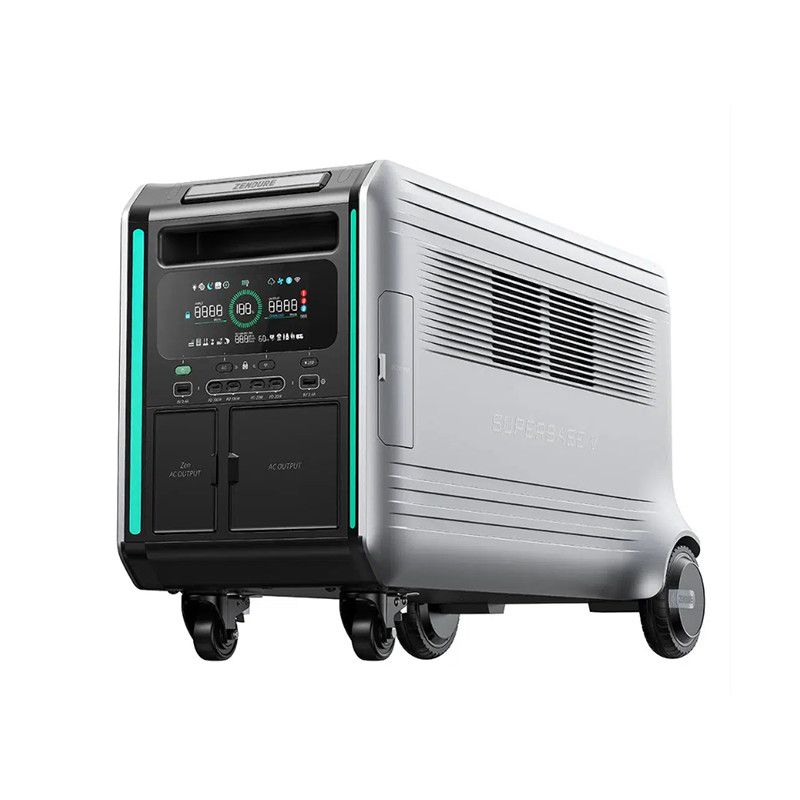
Beyond micro inverters, Shenzhen Kesha is also focusing on balcony energy storage solutions that complement their inverter technologies. These storage systems are designed to store excess solar power generated during the day for use during evenings or cloudy periods, reducing dependence on the grid and increasing energy independence for users.
Balcony energy storage units from Shenzhen Kesha are compact, affordable, and user-friendly, perfectly suited for urban dwellers and apartment owners who want to adopt solar energy but face space limitations. By combining efficient micro inverters with innovative energy storage, consumers can maximize self-consumption of renewable energy, enhance grid resilience, and contribute to environmental sustainability.
### Shaping the Future of Residential Solar Power
The advancements introduced by Shenzhen Kesha and similar companies are instrumental in democratizing access to clean energy. By providing safer, smarter, and more powerful inverter solutions, they empower users to harness solar power more effectively and reliably. This aligns with global goals to increase the adoption of renewable energy and reduce greenhouse gas emissions, combating climate change.
Furthermore, the emphasis on integrating digital technologies into solar energy systems reflects the broader trend of the energy transition toward smarter grids and the Internet of Things (IoT). Smart inverters capable of communication and remote management not only improve operational efficiency but also facilitate grid stability by enabling features such as demand response and virtual power plants.
### Conclusion
As the solar energy market continues to expand, the role of innovative solar panel inverters becomes increasingly crucial. Shenzhen Kesha New Energy Technology Co., Ltd.’s dedication to creating high-quality micro inverters and balcony energy storage solutions highlights the importance of combining performance, safety, and intelligence in renewable energy products. These advancements not only improve the consumer experience but also contribute significantly to a sustainable energy future.
With continued investment in research and development, companies like Shenzhen Kesha are poised to lead the transformation of the solar power industry. Their products offer a compelling solution to the challenges faced by residential solar power users, making clean, efficient, and reliable energy more accessible to communities worldwide. As technology evolves, consumers can look forward to even smarter and more integrated solar energy systems that will power homes and cities with the sun’s energy in ever more effective ways.