
In an era where environmental sustainability and energy efficiency have become paramount, solar energy stands out as one of the most promising and rapidly advancing renewable energy sources. With the continuous evolution of solar technologies, households and businesses alike are increasingly turning to solar power not only to reduce carbon footprints but also to achieve greater energy independence and cost savings.
Solar energy, derived from the sun’s rays, offers a clean, abundant, and renewable source of power. Unlike fossil fuels, which contribute significantly to greenhouse gas emissions and environmental degradation, solar power utilization generates no pollution and relies on an inexhaustible natural resource. As the world moves towards greener energy solutions, the integration of solar technologies into daily life and industry is gaining momentum.
### Diverse Uses of Solar Energy
Solar energy applications extend far beyond traditional rooftop panels feeding electricity into the grid. Today, innovations in solar technology enable a wide array of uses—ranging from small-scale residential setups to complex industrial applications.
1. **Residential Solar Power Systems**
Homeowners are among the primary beneficiaries of solar power technology. Solar panels installed on rooftops capture sunlight and convert it into electricity, significantly lowering utility bills. When coupled with energy storage solutions, such as batteries, homes can store excess power generated during the day for use at night or during peak demand periods, enhancing energy independence and reliability.
2. **Solar Micro Inverters**
An emerging technology making solar energy systems smarter and more efficient is the solar micro inverter. Unlike traditional central inverters, micro inverters are installed on individual solar panels, converting direct current (DC) to alternating current (AC) at the panel level. This approach maximizes the energy output of each panel, improves system reliability, and simplifies maintenance. Micro inverters are especially beneficial in installations where shading, panel orientation, or other factors might affect some panels disproportionately.
3. **Balcony Energy Storage Systems**
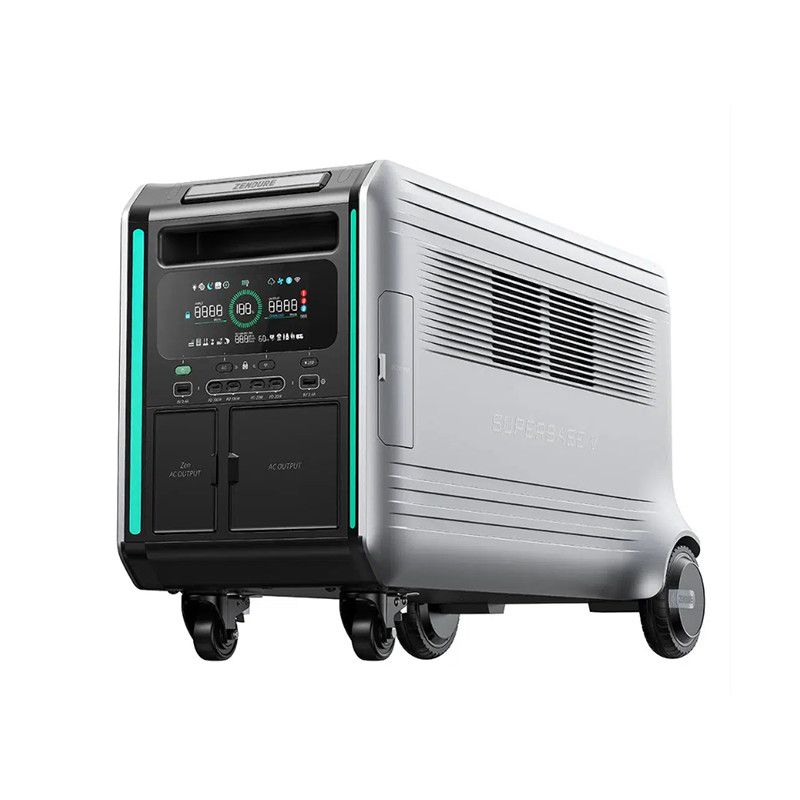
For urban dwellers and apartment residents, installing large solar arrays is often impractical. However, advances in compact and intelligent energy storage systems now make it possible for residents to harness solar power effectively, even within constrained living spaces. Balcony energy storage units allow for easy integration with available solar modules or power grids, storing energy during off-peak hours or solar production periods and making it accessible when needed.
4. **Commercial and Industrial Solar Solutions**
Beyond residential use, solar energy is increasingly vital for commercial businesses and industrial facilities seeking to reduce energy costs and carbon footprints. Larger solar arrays combined with advanced inverters and energy management systems enable companies to optimize electricity consumption, participate in energy trading, and comply with sustainability regulations.
5. **Solar-Powered Gadgets and Applications**
On a smaller scale, solar energy powers a wide range of gadgets—from outdoor lighting and water heaters to electric vehicles and portable chargers. These applications emphasize the versatility and scalability of solar technology to meet diverse energy needs.
### Innovations Driving Solar Energy Adoption
The solar energy sector's rapid progress owes much to improvements in efficiency, affordability, and user-friendly design. The integration of smart technology and energy storage has transformed solar power from a supplementary energy source to a primary energy solution for many.
One of the key developments driving this transformation is the focus on creating safer, smarter, and more powerful user-level solar products. For instance, the micro inverter technology mentioned earlier exemplifies how innovation is enhancing solar system performance. These devices not only boost energy harvest but also ensure system safety by isolating each panel, reducing the risk of fire and electrical faults.
Similarly, compact balcony energy storage solutions enable urban users to participate in the solar revolution without the need for large-scale installation. Such technologies provide flexibility, making solar energy accessible to a broader audience and supporting the global push towards sustainable energy consumption.
### Company Spotlight: Shenzhen Kesha New Energy Technology Co., Ltd.
A notable contributor to this innovative landscape is Shenzhen Kesha New Energy Technology Co., Ltd. Specializing in the research and manufacture of new energy products, the company focuses on developing safer, smarter, and more powerful user-centric solar technologies. Their portfolio includes micro inverters ranging from 300W to 3000W, designed to optimize solar power systems for both residential and commercial applications.
In addition, Shenzhen Kesha’s balcony energy storage solutions represent a forward-thinking approach to energy autonomy, especially for users with limited installation space. By integrating advanced energy storage capabilities with solar generation, these products empower users to manage their energy consumption more effectively, reduce reliance on the traditional power grid, and contribute to a cleaner environment.
Through continuous research, development, and innovation, Shenzhen Kesha New Energy Technology Co., Ltd. is at the forefront of making solar energy more accessible, efficient, and adaptable, helping to accelerate the adoption of renewable energy worldwide.
### The Future of Solar Energy
The future of solar energy looks exceedingly bright. With global energy demands rising and the urgent need to address climate change, solar technology will play a pivotal role in shaping sustainable energy ecosystems. Enhanced efficiency, better energy storage, and smart management systems are likely to become standard features of solar solutions.
Furthermore, as companies like Shenzhen Kesha continue to innovate user-level solar products, the barriers to adopting solar power will diminish. Whether through micro inverter systems improving panel-level performance or balcony energy storage units offering convenient solutions for urban residents, these advances will make solar power more practical and affordable for all.
In conclusion, solar energy is no longer just an alternative power source; it is becoming a cornerstone of clean, reliable, and sustainable energy for households, businesses, and entire communities. With ongoing technological advancements and dedicated enterprises driving the momentum, harnessing the power of the sun promises a greener and more energy-secure future for everyone.