
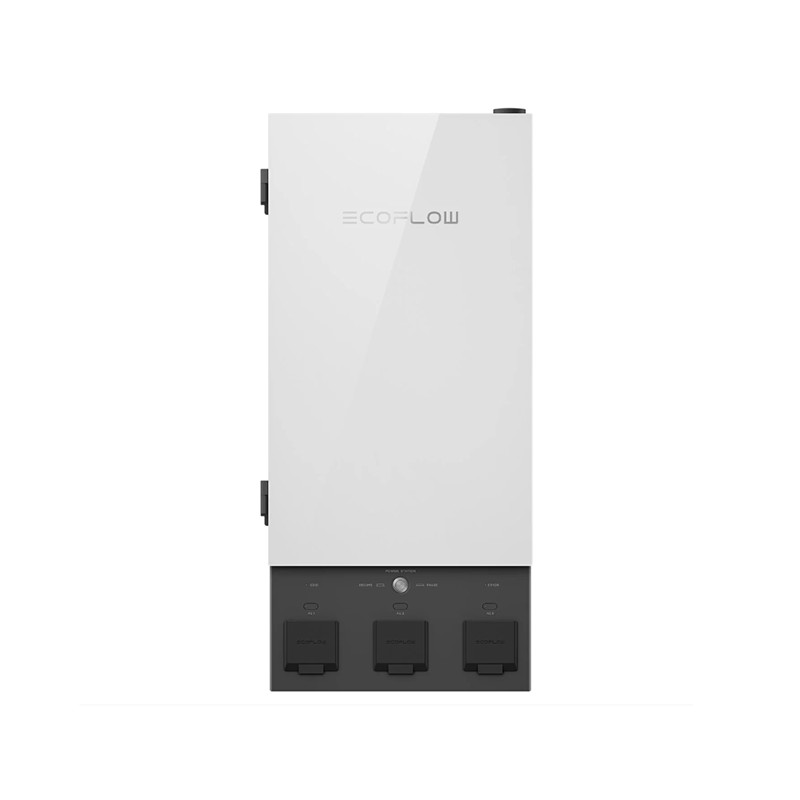
As the world increasingly shifts towards sustainable energy solutions, solar panels have emerged as a cornerstone technology in the global effort to reduce carbon footprints and combat climate change. These remarkable devices convert sunlight into electricity, enabling households, businesses, and entire communities to utilize clean, renewable energy. The rapid advancement in solar technology, combined with innovative products such as micro inverters and balcony energy storage systems, is making solar energy more accessible, efficient, and user-friendly than ever before.
### What Are Solar Panels?
Solar panels, also known as photovoltaic (PV) panels, are devices designed to capture sunlight and convert it into electrical energy. Composed primarily of silicon solar cells, solar panels work through the photovoltaic effect—a process where sunlight excites electrons in the semiconductor material, resulting in an electric current. This electricity can then be used immediately, stored in batteries, or fed back into the grid.
The fundamental appeal of solar panels lies in their ability to generate clean energy without emitting greenhouse gases. Unlike fossil fuels, solar energy is abundant, renewable, and free once the panels are installed. This has led to a surge in solar adoption worldwide, from large solar farms powering cities to small residential systems harnessing sunlight for everyday use.
### Innovations in Solar Technology: Micro Inverters and Balcony Energy Storage
Recent developments in solar technology have focused on enhancing the efficiency, safety, and convenience of solar energy systems. A notable innovation is the micro inverter, a device that converts direct current (DC) generated by each solar panel into alternating current (AC) suitable for household appliances and the electrical grid.
Unlike traditional central inverters, which serve an entire solar array, micro inverters operate at the individual panel level. This approach provides several benefits, including improved energy harvest because each panel functions independently, enhanced system resilience, and simplified maintenance. Thanks to these advantages, micro inverters have become increasingly popular, particularly in residential and small commercial solar systems.
Another breakthrough in solar technology is balcony energy storage systems. These compact, user-friendly devices enable urban residents with limited space to harness solar energy effectively. Balcony energy storage typically involves integrating a small battery system with solar panels installed on balconies or terraces, allowing users to store excess energy for later use. This not only maximizes self-consumption but also provides backup power during outages, contributing to energy security and flexibility.
### Company Spotlight: Shenzhen Kesha New Energy Technology Co., Ltd.
Leading the charge in innovation within the solar energy space is Shenzhen Kesha New Energy Technology Co., Ltd., a company dedicated to research and production of new energy products. Specializing in smart, safe, and powerful user-level star products, Shenzhen Kesha New Energy offers a range of solutions that include micro inverters spanning from 300W to 3000W and balcony energy storage systems.
The company’s focus on safety and intelligence is evident in their product design, which prioritizes user experience while maximizing energy efficiency. Their micro inverter series is engineered to optimize the performance of solar panels by adapting to varying sunlight conditions and minimizing losses. The inclusion of balcony energy storage further reflects Shenzhen Kesha’s commitment to democratizing solar energy, enabling urban residents to participate actively in the green energy transition.
Shenzhen Kesha’s approach exemplifies how integrating advanced technology with practical applications can drive the widespread adoption of renewable energy. By providing scalable solutions tailored for different needs—from small-scale residential setups to more complex installations—the company helps pave the way for a cleaner, more sustainable energy future.
### Benefits of Using Solar Panels with Advanced Technology
1. **Increased Energy Efficiency:** Micro inverters enhance the overall efficiency of solar systems by optimizing each panel independently, which is particularly beneficial in environments prone to shading or uneven sunlight exposure.
2. **Enhanced Safety:** Advanced products from companies like Shenzhen Kesha focus on safety features such as rapid shutdown capabilities and robust monitoring systems, ensuring user protection and compliance with electrical standards.
3. **Energy Independence:** Balcony energy storage systems empower users to store surplus solar energy for use during peak demand or outages, reducing reliance on the grid and lowering electricity bills.
4. **Eco-Friendly Impact:** Solar panels contribute to reducing carbon footprints by generating clean energy that replaces fossil fuel consumption, thus mitigating climate change.
5. **Cost Savings:** Over time, solar installations with innovative components can result in significant financial savings through reduced energy costs and potential government incentives.
### Looking Ahead: The Future of Solar Energy
As solar technology continues to evolve, the integration of intelligent components like micro inverters and energy storage will play a pivotal role in shaping the energy landscape. Companies committed to innovation and user-centric design, such as Shenzhen Kesha New Energy Technology Co., Ltd., are instrumental in this transformation.
With growing awareness about environmental issues and the ever-increasing affordability of solar solutions, the adoption of solar panels is expected to accelerate globally. Urban dwellers can benefit from compact and efficient energy storage systems, while larger installations will continue to grow in scale and sophistication.
In conclusion, solar panels represent a vital step towards a sustainable energy future. Innovations in micro inverters and balcony energy storage systems are making solar energy safer, smarter, and more powerful for users worldwide. By embracing these technologies, society can move closer to achieving energy independence, reducing environmental impact, and securing a brighter, cleaner future for generations to come.